
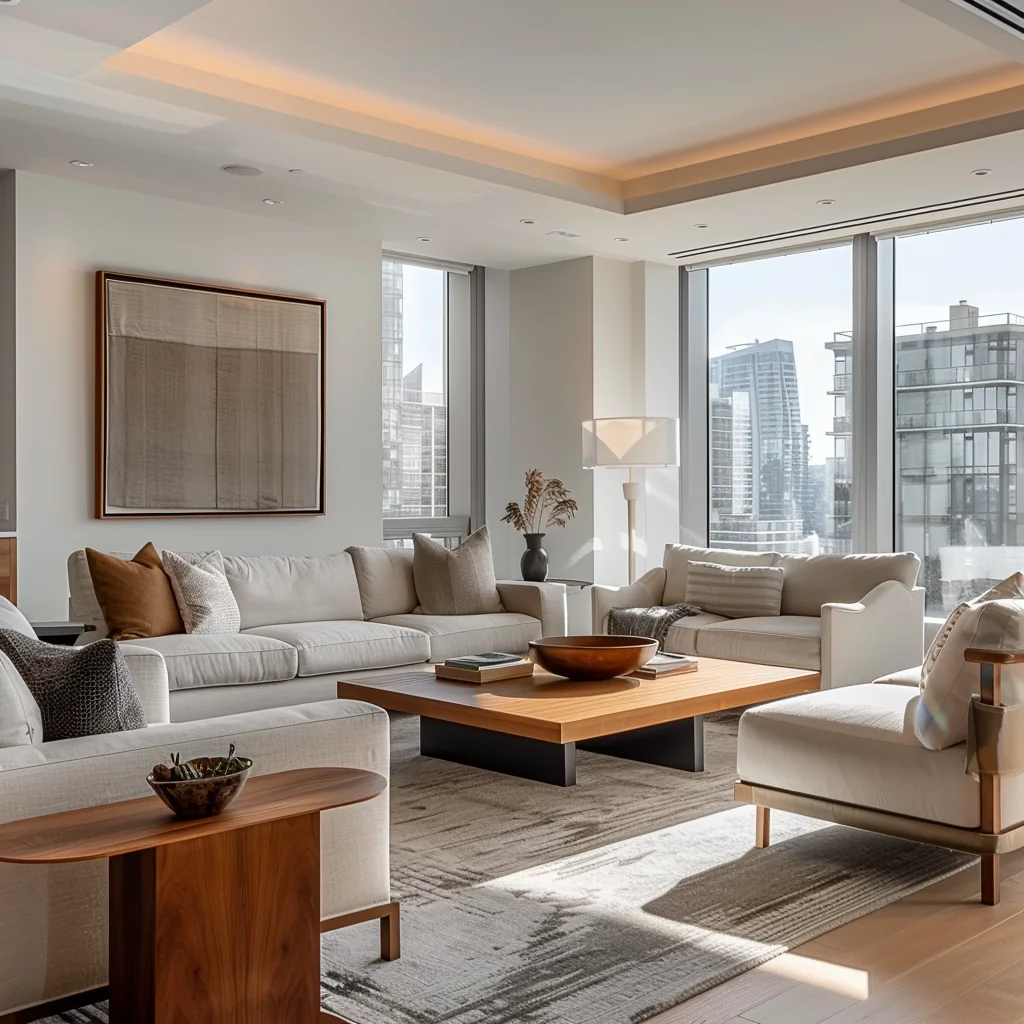
When arranging a first feng shui consultation, a common question is whether to bring a sales brochure, photographs, or birth details. The materials required vary with the consultation format and the traditional framework being used, so confirm them with the provider first. You can begin with a concise description of the space: what the current conditions are, which use problem you most want to improve, and which conditions cannot change for now. Clear information makes it easier to understand the assumptions behind a suggestion.
Base the floor plan on current conditions and mark what is uncertain
If you have a floor plan from the developer or owner, use it as a base but note whether anything has changed. At minimum, mark the front door, room doors, windows, kitchen, bathroom, fixed cabinets, and main furniture. Add measurements where you have them; do not fill in guessed figures for areas you have not measured. A hand-drawn plan is also a valid starting point. What matters is that the relationships between spaces can be understood.
For direction data, record its source, such as a north arrow on the plan or the person who took the measurement. Do not treat a single direction shown by a phone as a confirmed result. If the direction, construction year, or move-in date is uncertain, label it as pending confirmation and ask the consultant which part of the interpretation it affects.
Let photos show real use, while protecting the privacy of people who live there
Photos can show height, natural light, and the way objects are actually arranged, which a floor plan cannot. For each area that needs discussion, one wider environmental photo and one detail of the issue are usually easier to understand than many scattered close-ups. Do not hide a real use problem temporarily just to make the home look tidy; otherwise the advice may not fit everyday life.
- Mark the camera position and direction on a simple sketch so the photos can be compared.
- Cover documents, family photos, door numbers, and other personal information that is not needed.
- Obtain consent before photographing a housemate’s room or belongings.
- Before sending anything, confirm the recipient, purpose of use, and data-retention arrangement.
Turn a wish to improve your fortune into three everyday questions
You can keep an abstract wish, but add a concrete situation for the consultation. For example, you can expand “I want work to go smoothly” into “I am often interrupted by family members while working at home, and there are only these two places where the desk can go.” For “I want the family to get along better,” explain the disagreement about storage, rest times, or a shared area. These are examples of how to ask; they do not mean that a particular layout can guarantee a career or relationship outcome.
Rank the questions and choose the three that matter most. For each one, write who is affected, when it happens, what you have tried, and what practical change you hope to see. This puts traditional interpretation and observable living needs into the same conversation.
List your budget, restrictions, and safety conditions in advance
A rented flat, existing renovation, furniture that must stay, and the willingness of family members to accept a change can all affect whether a suggestion is workable. You can divide possible changes into “rearrange existing items,” “buy something inexpensive,” and “requires building work,” then say which category you are willing to consider. If structure, electrical systems, fire safety, or fixed equipment are involved, the relevant professional should assess it; do not use a feng shui reading to confirm safety.
The Hong Kong Fire Services Department’s home fire-safety guidance reminds residents to consider electrical appliances, passageways, and the risks of incense and candles. Even an arrangement with symbolic meaning must first meet practical safety needs. If a family member disagrees with a change, discuss alternatives rather than using ideas of good or bad fortune to pressure them.
Leave a record that can be understood and followed up
When you hear a suggestion, ask questions such as “What information was used for this interpretation?”, “Is there a simpler alternative?”, and “If the furniture cannot move, what else could be done?” Record the suggestion, its reason, its intended use, and anything that needs separate confirmation. Ask for unfamiliar terms to be explained; you do not have to accept every arrangement immediately during the meeting.
Once you are ready, see FairiesLotus’s feng shui layout consultation for the format and required information. If you have cultural needs around a housewarming ceremony, you can also review housewarming worship and blessing. Confirm the space recommendations and ceremony arrangements separately so that two different services are not treated as one promise.