
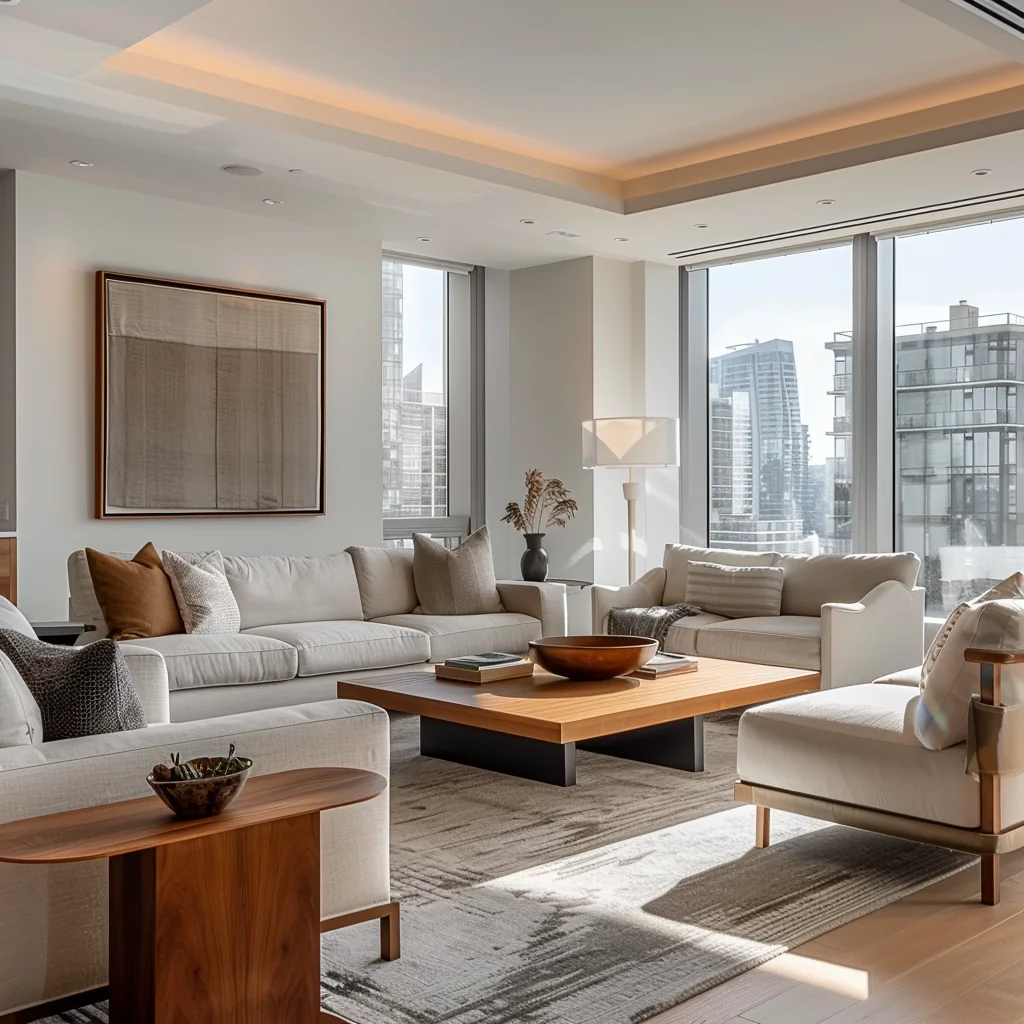
When people discuss feng shui at home, their first question is often where furniture should face. For an open-plan flat, a two-bedroom family home, or a rented space, a more useful starting point is to see where daily life is getting stuck: is there nowhere to put your bag when you come home, glare on the screen while you work, or a desk full of documents still waiting at bedtime? Feng shui can offer a traditional cultural perspective, but practical arrangements still need to fit the home, the needs of the people living there, and safety.
Draw the paths you take each day first
You do not need to buy furnishings first. On a sheet of paper, draw the front door, windows, bed, seats, and main storage units, then add the routes you take when getting up, leaving home, cooking, and returning. Note every place where you often bump into something, have to walk around, or regularly pile things up. The value of this sketch is that it shows how the space is actually used, rather than judging the home from one direction alone.
- Can the front door open and close smoothly, or do shoes and bags block the entrance?
- After a cabinet door is opened or a chair is pulled out, is there still a clear passage?
- Can older adults, children, or family members with limited mobility reach the things they use most easily?
The Hong Kong Fire Services Department’s Home Fire Safety Guide reminds residents to keep stairways clear and to avoid blocking common passages when a front door or metal gate is open. No furnishing justified by feng shui should take up those areas.
Bring light and sound back to the times you actually use the room
The same spot can feel completely different in the morning and at night. During your usual work and rest periods, spend a few minutes observing: does sunlight fall directly on the screen, does a corridor light reach the pillow, and when is traffic noise outside most noticeable? Describe what you can see and hear before considering curtains, the direction of a light, or a change of seat. That is easier to discuss than a general statement that a place feels uneasy.
If your desk is also the dining table, a storage box for documents can help you clear the surface after work. There is no need to add a large screen to divide the zones if it would only reduce the activity space you already have.
In a small bedroom, consider use before symbolism
When the bed position is limited by doors, windows, air-conditioning, and the room’s size, list the conditions that cannot change and the ones you can adjust. The bed frame may have to stay, while items beside the bed, the bedside light, and things used before sleep can still be organised. If seeing a reflection at night makes you uncomfortable, try changing the mirror’s angle or putting away a movable mirror, and observe whether the experience changes. There is no need to attribute every poor night’s sleep to a furnishing.
If sleep or physical discomfort continues, ask a qualified healthcare professional about the cause. Tidying the home may make it easier to use, but a feng shui interpretation cannot replace a health assessment.
Keep furnishings few and meaningful; do not buy things just to fill a direction
An object you like can serve as a daily reminder, but whether it belongs in the home also depends on its size, weight, and cleaning requirements. Measure the space before buying, decide who will maintain it, and consider whether it will make life harder for anyone at home. If you want to keep a wish or intention, an existing object or a handwritten card can express it; you do not need to buy a complete set of items.
For example, turn the wish that work will become more stable into a card on the desk reminding you to organise your weekly tasks. This connects a symbol to an action. The meaning of an object comes from the user; it cannot guarantee income, relationship outcomes, or a change in fortune.
Change one thing at a time so everyone at home can take part
Choose an adjustment that is easy to reverse and keep a photo of the original arrangement. After a few days, ask yourself and your family: is it easier to enter and leave, easier to find things, and more inviting to use this corner? If there is no improvement, revise the plan. In a rented home, confirm what may be changed first; do not drill, demolish, or move fixed equipment because of a single interpretation.
If you want to combine traditional directions with the conditions of a particular home, see FairiesLotus’s feng shui layout consultation. If you would first like to learn the basic concepts, explore the Feng Shui and BaZi Foundations Course. Bringing a sketch and specific everyday questions will clarify your needs more effectively than asking only how to make a home prosperous.